News
-

US scientists uncover the hidden flaw causing EV batteries to crack and degrade
New research reveals why promising single-crystal EV batteries degrade and how redesigned materials could stop it.
-
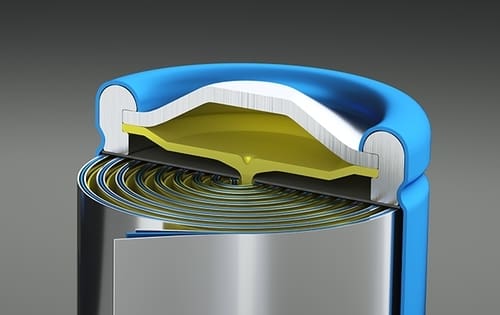
Research from ANL and UChicago PME looks to resolve battery degradation by mitigating nanoscopic strains
New research from Argonne National Laboratory and the University of Chicago Pritzker School of Molecular Engineering (UChicago PME) claims to have solved a battery mystery that has led to capacity degradation, shortened lifespan and, in some cases, fire.
-

Autotech News: New insights into single-crystal cathode degradation point to longer-lasting, safer batteries
A collaborative research effort has cracked a fundamental mystery plaguing a promising next-generation battery material, revealing why so-called “single-crystal” cathodes often fail to live up to their theoretical potential and pointing toward new design principles for longer-lasting, safer batteries.
-
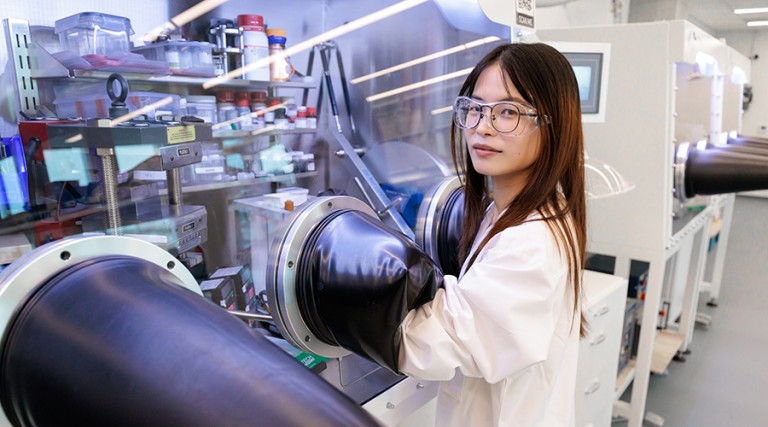
UChicago PME: Research upturns assumptions about battery failure
New insights into single-crystal cathode degradation point to longer-lasting, safer batteries. In a paper published today in Nature Nanotechnology, researchers uncovered some of the root causes – and ways to mitigate – the nanoscopic strains that can lead to cracking in an increasingly popular form… Read More
-

Solid-state batteries: Hype, hopes, and hurdles
As conventional lithium-ion battery technology approaches its theoretical limits, researchers are studying alternative architectures with solid electrolytes.
-

Scientists Use Vitamin B2 to Create a Glucose-Powered Battery
A novel battery runs on just glucose and vitamin B2 (riboflavin), according to a new study in ACS Energy Letters. The team developed the battery from a prototype flow cell, drawing inspiration from the way human bodies use enzymes to break down glucose for energy.
-
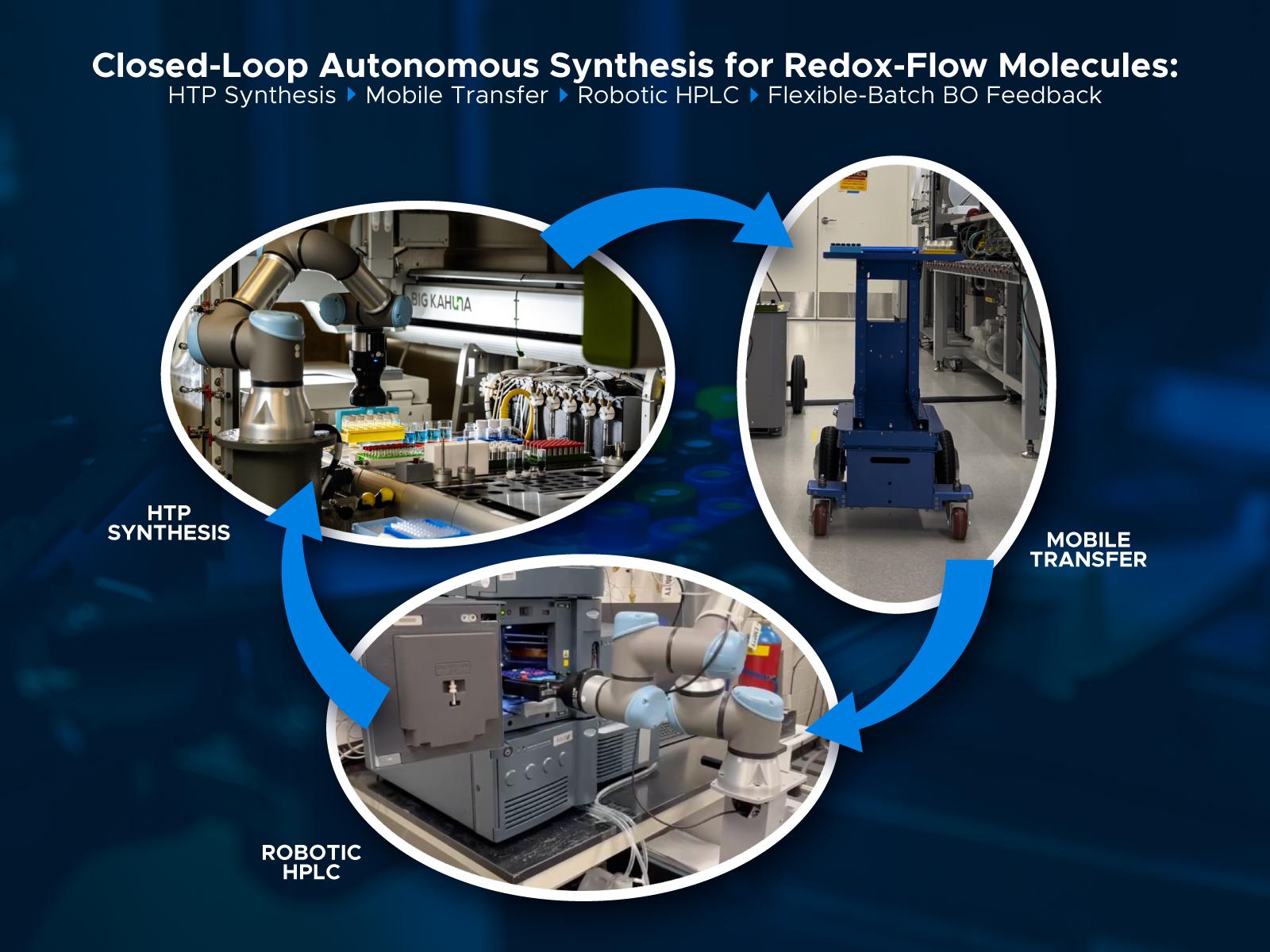
Pacific Northwest National Lab: Autonomous Synthesis for Redox Flow Batteries
Combining robotics and flexible-batch decision algorithms to accelerate high-throughput experiments
-

Beyond Lithium-Ion: Engineering the Future of Battery Technology
Innovative battery technologies are key to bridging the gap between energy storage needs and current production capabilities, enhancing performance and safety.
-

ESRA researcher Pieremanuele Canepa wins Scialog Award for Automating Chemical Laboratories
Scialog is short for “science + dialog.” Created in 2010 by RCSA, Scialog’s unique format aims to accelerate breakthroughs by building a creative network of scientists that crosses disciplinary silos, and by stimulating intensive conversation around an important scientific theme. Early career… Read More
-

Berkeley Lab: Computational Chemistry Unlocked: A Record-Breaking Dataset to Train AI Models has Launched
Open Molecules 2025, an unprecedented dataset of molecular simulations, was released to the scientific community, paving the way for development of machine learning tools that can accurately model chemical reactions of real-world complexity for the first time.